
How to Teach Sight Words
If you’ve ever sat at the table flipping through sight word flashcards with your child thinking, “Why isn’t this sticking?” — you’re not alone.
Many parents are told their kids just need to memorize sight words, but here’s the part most parents aren’t told:
👉 Memorization alone isn’t how the brain actually learns to read.
The good news? You don’t need a teaching degree to help your child learn these tricky words — you just need a better understanding of how reading develops and a few simple strategies you can use at home.
First, what are sight words anyway?
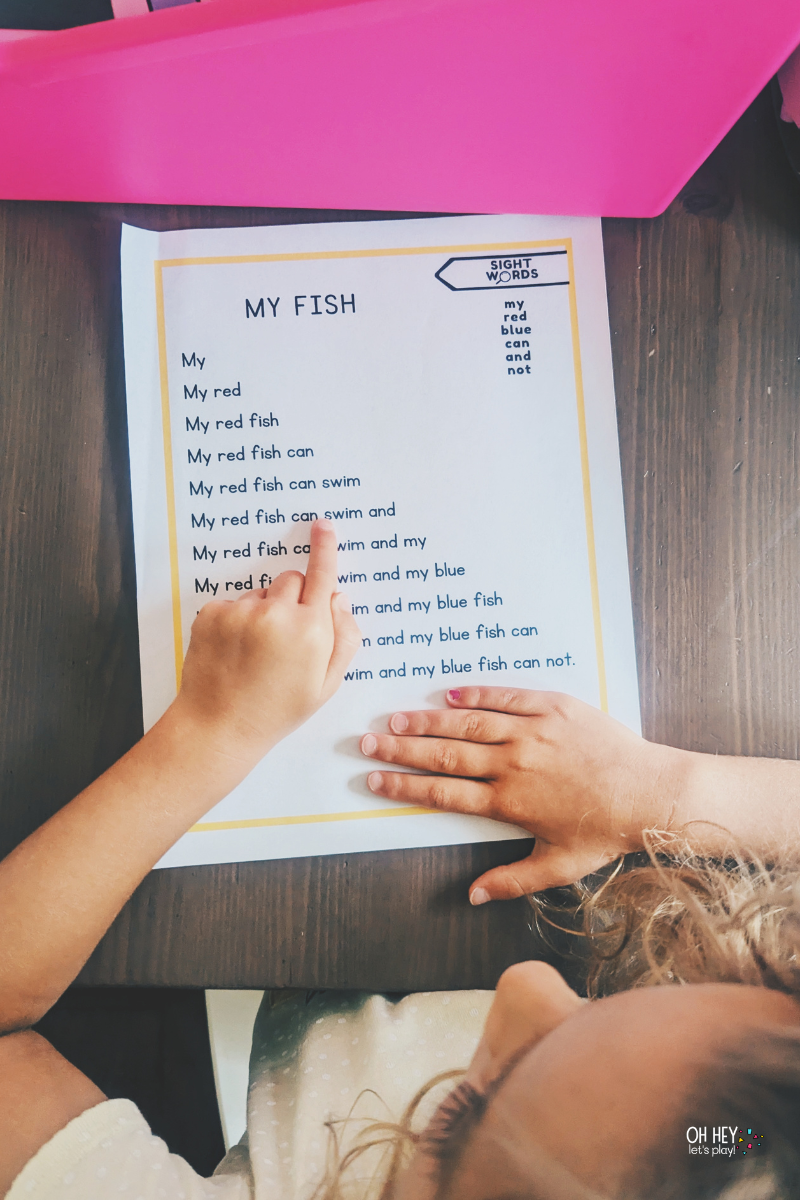
Sight words are words we want kids to read quickly and automatically, without stopping to sound them out every time.
Examples include:
was
said
they
what
You’ll often hear these called high-frequency words because they show up a lot in early books.
But here’s an important shift based on reading research:
➡️ Sight words are not meant to be memorized as whole pictures.
➡️ They become “sight words” after the brain connects sounds, letters, and meaning.
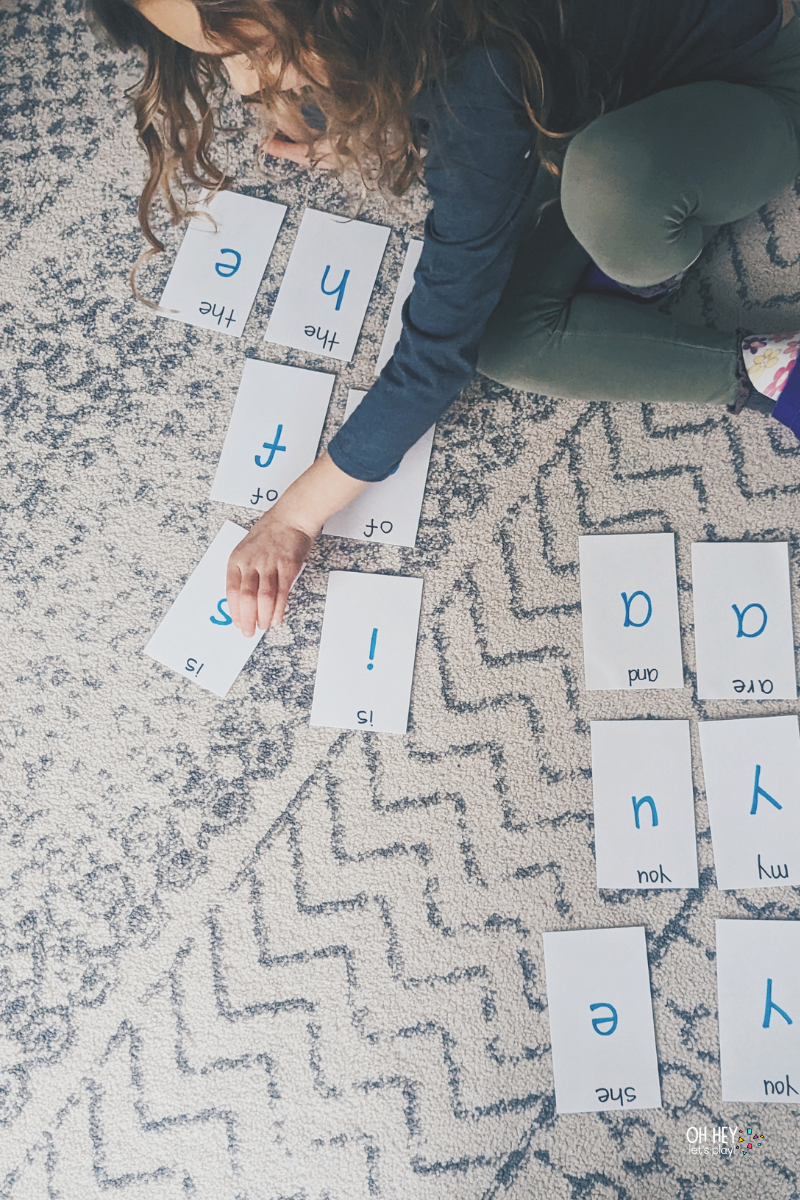
Flash cards and memorization can work for some kids — often short-term — but many children forget the word as soon as the card disappears, and end up not having the skills they need to decode new tricky words down the road.
Why?
Because the brain learns words best when it connects:
sounds (what we hear)
letters (what we see)
meaning (how the word works in a sentence)
This process is how words are stored for instant reading — not by memorizing their shape.
A Better Name: Heart Words
Heart words are words that contain one or more parts that don’t yet follow the phonics rules your child has learned. Those tricky parts need to be remembered by heart — at least for now.
Instead of asking children to memorize an entire word, the heart word approach focuses only on the irregular part of the word while still encouraging children to sound out the parts they can decode.
For example:
In the word said, the ai doesn’t make its usual sound yet — that’s the heart part.
In the word the, the th can be sounded out once its taught, but the vowel sound is tricky early on.
For example:
said → /s/ /e/ /d/
❤️ heart part: aiwas → /w/ /ŭ/ /z/
❤️ heart part: a
This helps children understand why a word is tricky instead of feeling like reading is random or confusing.
Heart Words vs. Sight Words
You’ll often hear the terms sight words and heart words used interchangeably, but they aren’t exactly the same.
Sight words is a broad term for high-frequency words children are expected to recognize quickly.
Heart words explain how children learn those words — by identifying and remembering the parts that don’t yet follow phonics rules.
This approach aligns with the Science of Reading and supports strong decoding skills rather than replacing them.
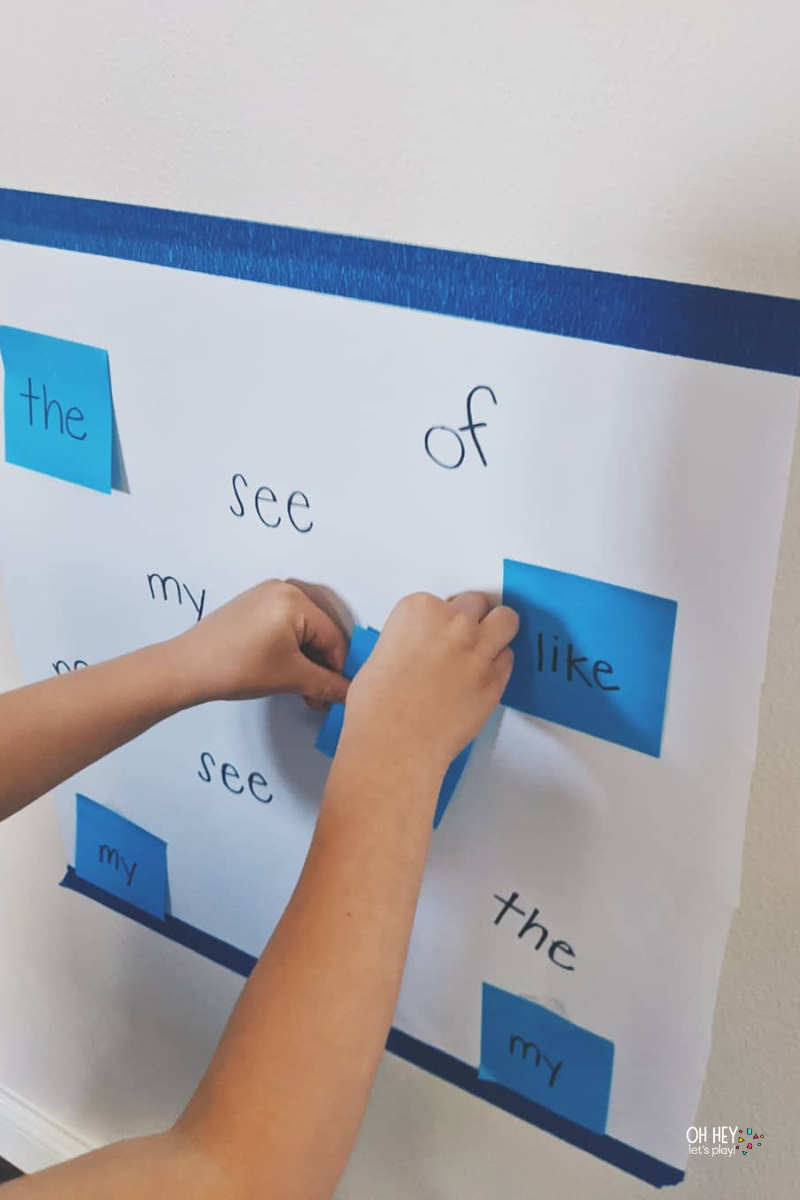
Here’s the part parents really need to know:
Heart Words are NOT Heart Words forever
This is one of the most misunderstood parts of learning to read.
👉 A word is only a Heart Word until a child has learned the spelling pattern that makes it make sense.
Once that pattern is taught, the word no longer needs a “heart part.”
Examples:
said
At first, ai is unexpected — so it’s the heart part.
Later, when kids learn that ai can sometimes say /ĕ/ (as in said or again), said becomes fully decodable.they
Early on, ey saying /ā/ is the heart part.
Later, when kids learn vowel teams like ey, the word no longer needs to be memorized.was
The a is tricky early on.
Over time, kids learn that vowel sounds can change slightly depending on the word and accent — and was becomes easier to understand.
You’ll also find it to be helpful to teach words with similar spelling patterns at the same time. For example, after teaching the word “my,” you may also introduce the words “cry,” “try,” “by,” “fry,” and “why.”
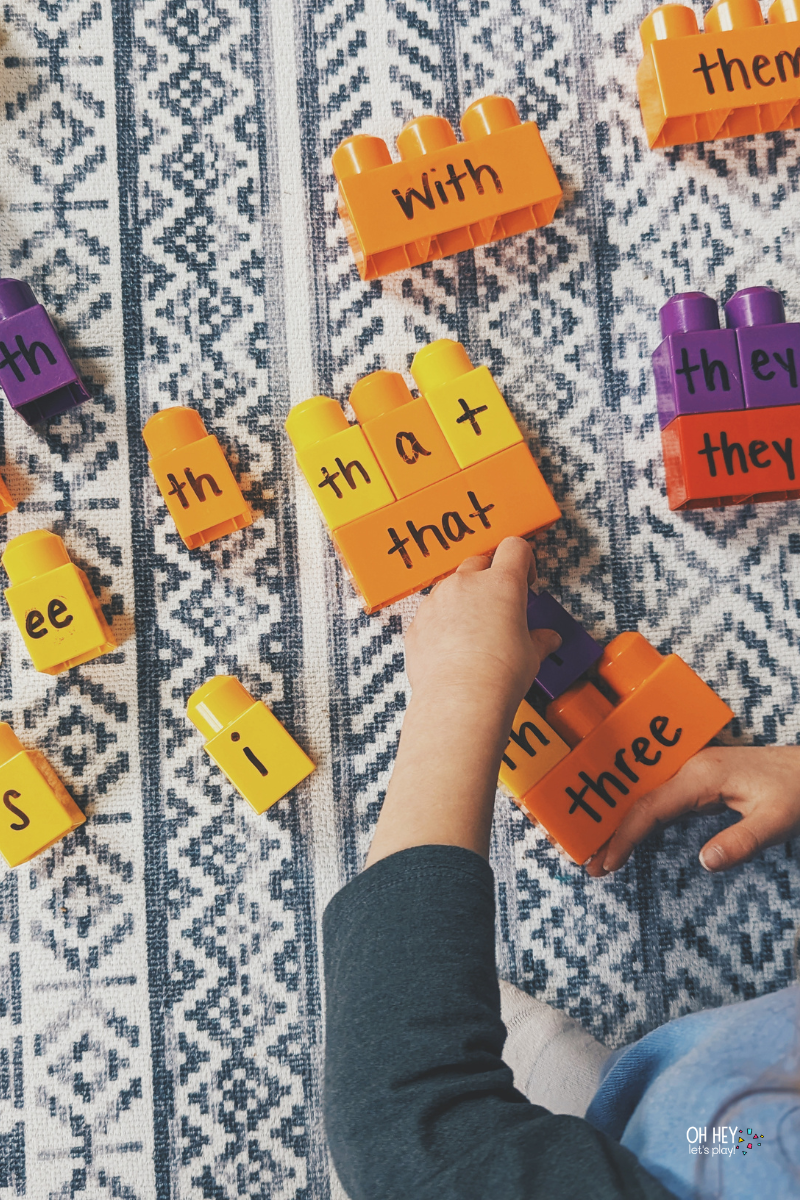
✨ The goal is never to “memorize words forever.”
✨ The goal is to reduce the heart part over time as kids learn more spelling patterns.
This is exactly how confident readers are built.
3 Science-Based Tips for Teaching Heart Words at Home
These strategies are based on how the brain actually learns to read — just simplified for real life.
1️⃣ Call them Heart Words (and explain why)
Instead of saying:
“You just have to memorize this.”
Try:
“We can sound out most of this word — the tricky part is the part we remember by heart.”
Example:
said → /s/ /e/ /d/
❤️ heart part: ai
You can even draw a tiny heart above the tricky letters.
This small language shift makes a BIG difference in confidence.
2️⃣ Have your child say the sounds while they write the word
This is one of the most powerful changes you can make.
Instead of only looking at the word, help your child:
say the sounds
connect those sounds to letters
write the word while saying the sounds
Example with was:
Say it in a sentence:
“The dog was tired.”Tap the sounds:
/w/ /ŭ/ /z/Write it together:
w – a – sPut a ❤️ above the a and say:
“This is the part we remember by heart.”
This takes 30–60 seconds and builds real reading skills.
3️⃣ Practice Heart Words in real sentences
Words stick faster when kids see them used, not isolated.
Instead of:
❌ long flashcard drills
Try:
✔ one or two short sentences
Examples:
“I was at the park.”
“We said yes.”
“They went home.”
Have your child:
circle the Heart Word
read the sentence again
try writing the word themselves
This helps the brain store the word for actual reading — not just practice time.
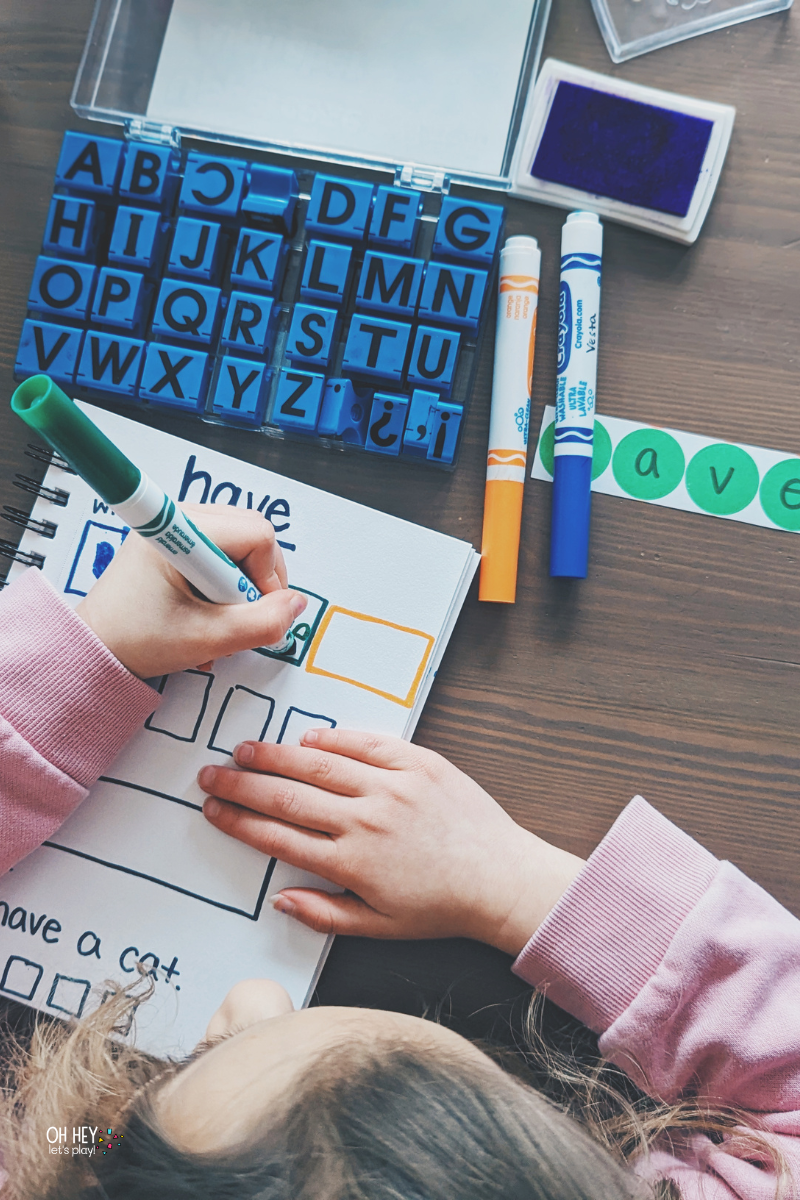
A Hands-On Heart Word Resource You Can Use
If you’d like a ready-to-use way to practice heart words, I created a printable resource designed for kindergarten and first grade learners (ages 5–7).
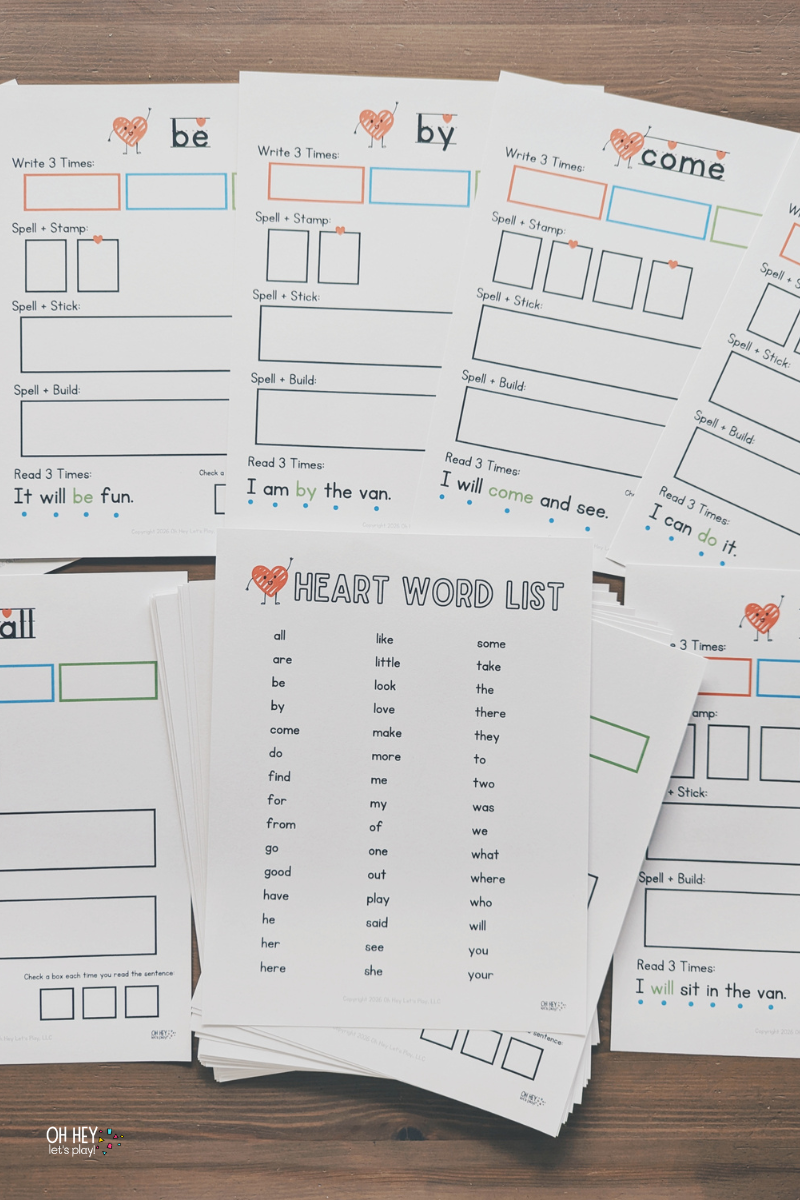
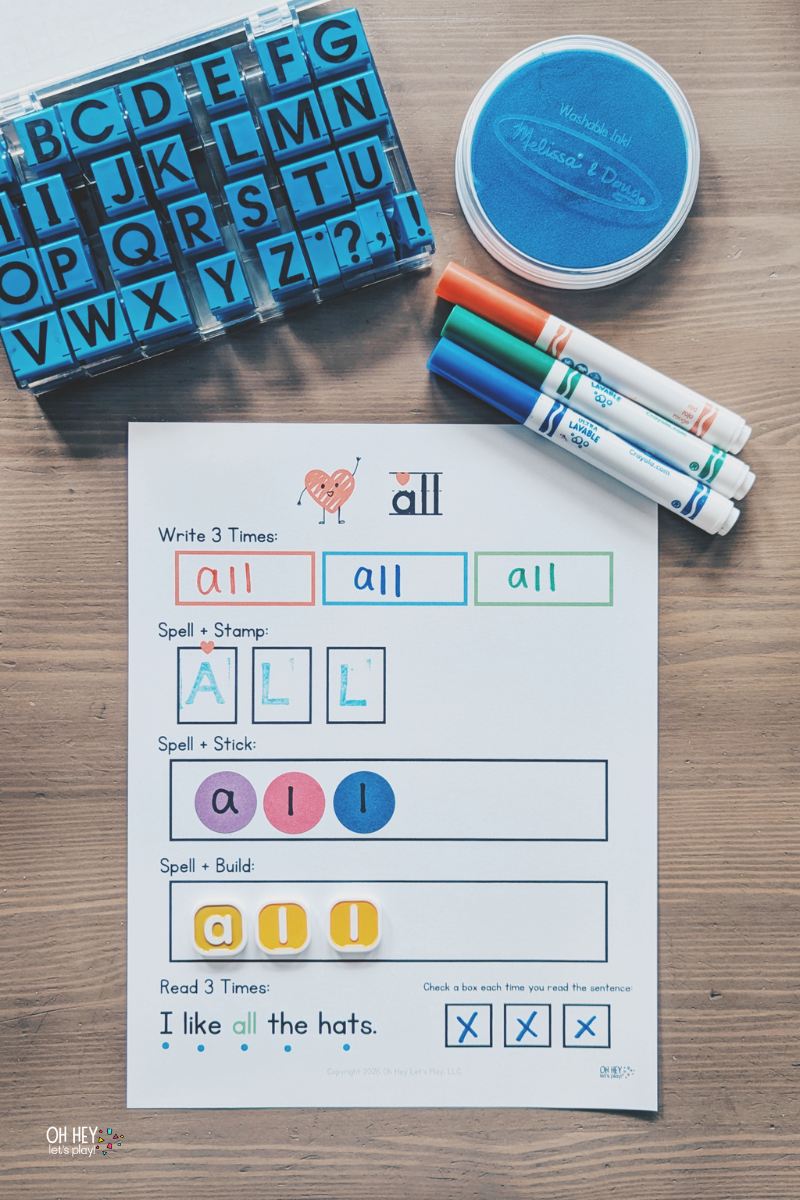
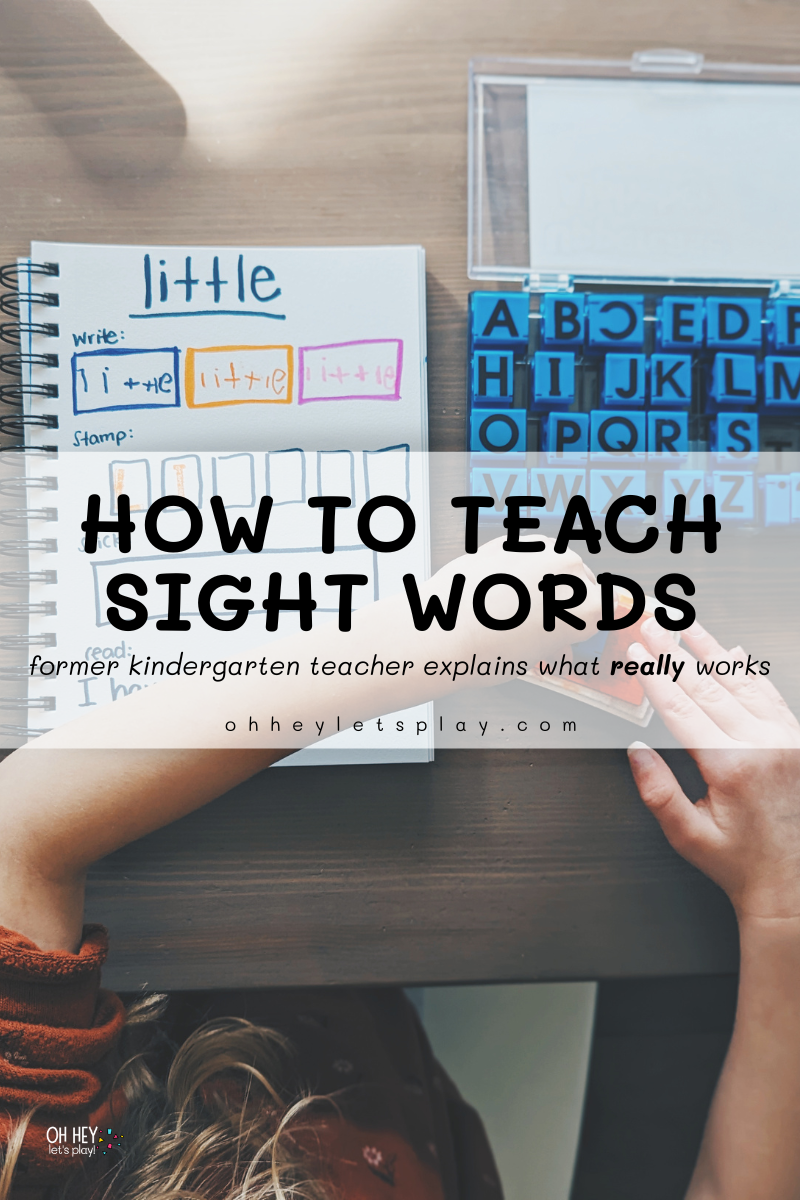
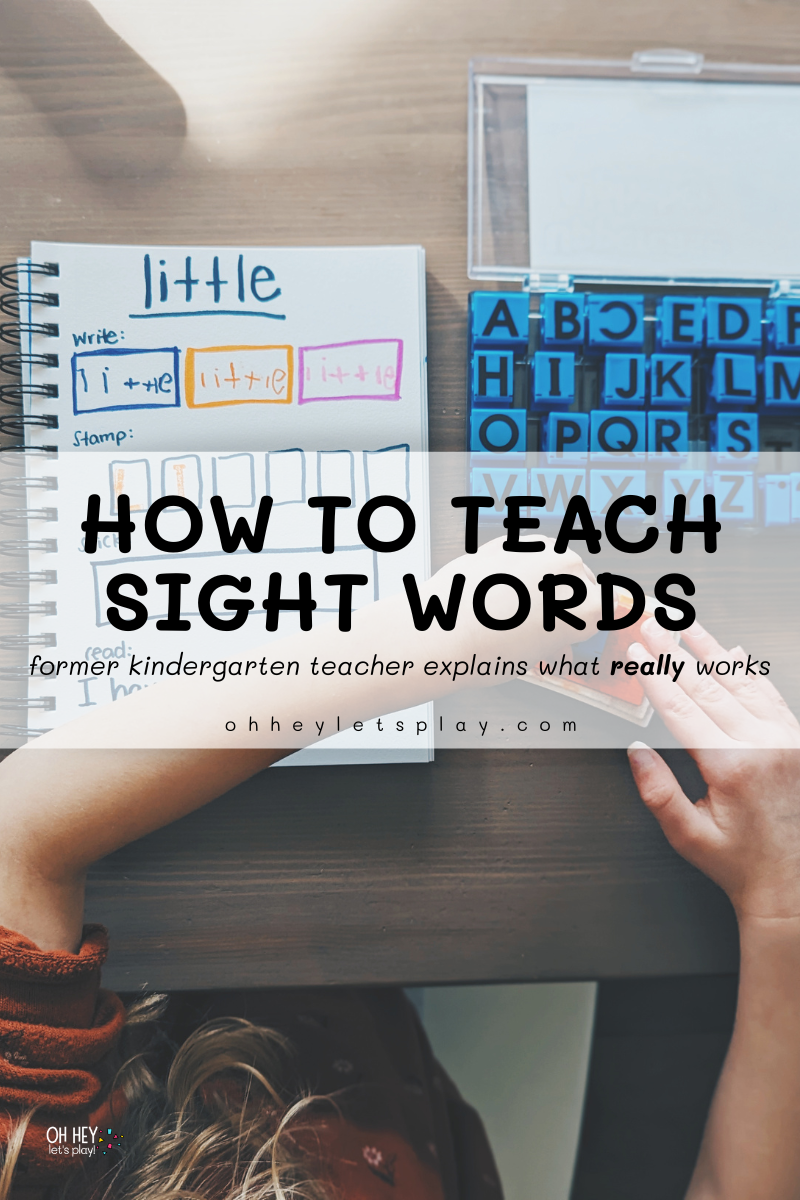
Each page focuses on one heart word and clearly highlights the heart part of the word so children understand what needs to be remembered.
Every page includes:
Writing the word
Spelling the word using hands-on materials (stamps, stickers, letter tiles)
Reading the word in a simple sentence
The consistent layout helps children feel confident and know exactly what to do each time.
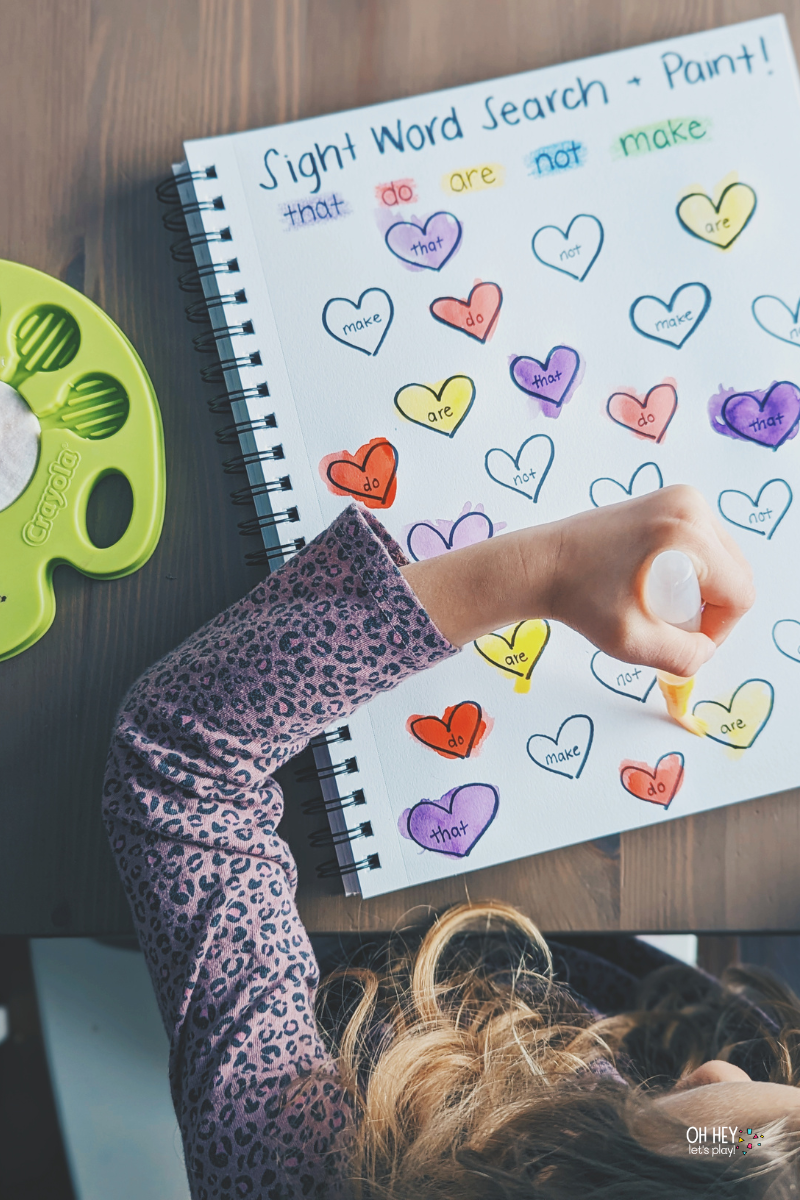
👉 Want to do a test run? Start with a free printable that includes the first 10 heart words — perfect if you’re new to heart words or want to try the approach before committing to the larger set (45 words).
Who Heart Words Are For
Heart words are especially helpful for:
Kindergarten and first grade students
Children learning to read through phonics-based instruction
Kids who struggle with memorizing sight words
Parents looking for a research-aligned way to support reading at home
Final Thoughts
Learning to read isn’t about memorizing lists of words — it’s about building understanding over time.
Heart words give children a way to make sense of tricky words without undermining phonics instruction, and when practiced consistently, they help build confident, capable readers.
If your child forgets a word one day and remembers it the next, that’s normal. Progress isn’t always linear — and that’s okay.
You’re building a foundation that will last.
I hope you found this post to be helpful! If you would like more hands-on reading support at home for your new readers, check out my other digital resource: Oh Hey Let’s Play with CVC Words! for only $7
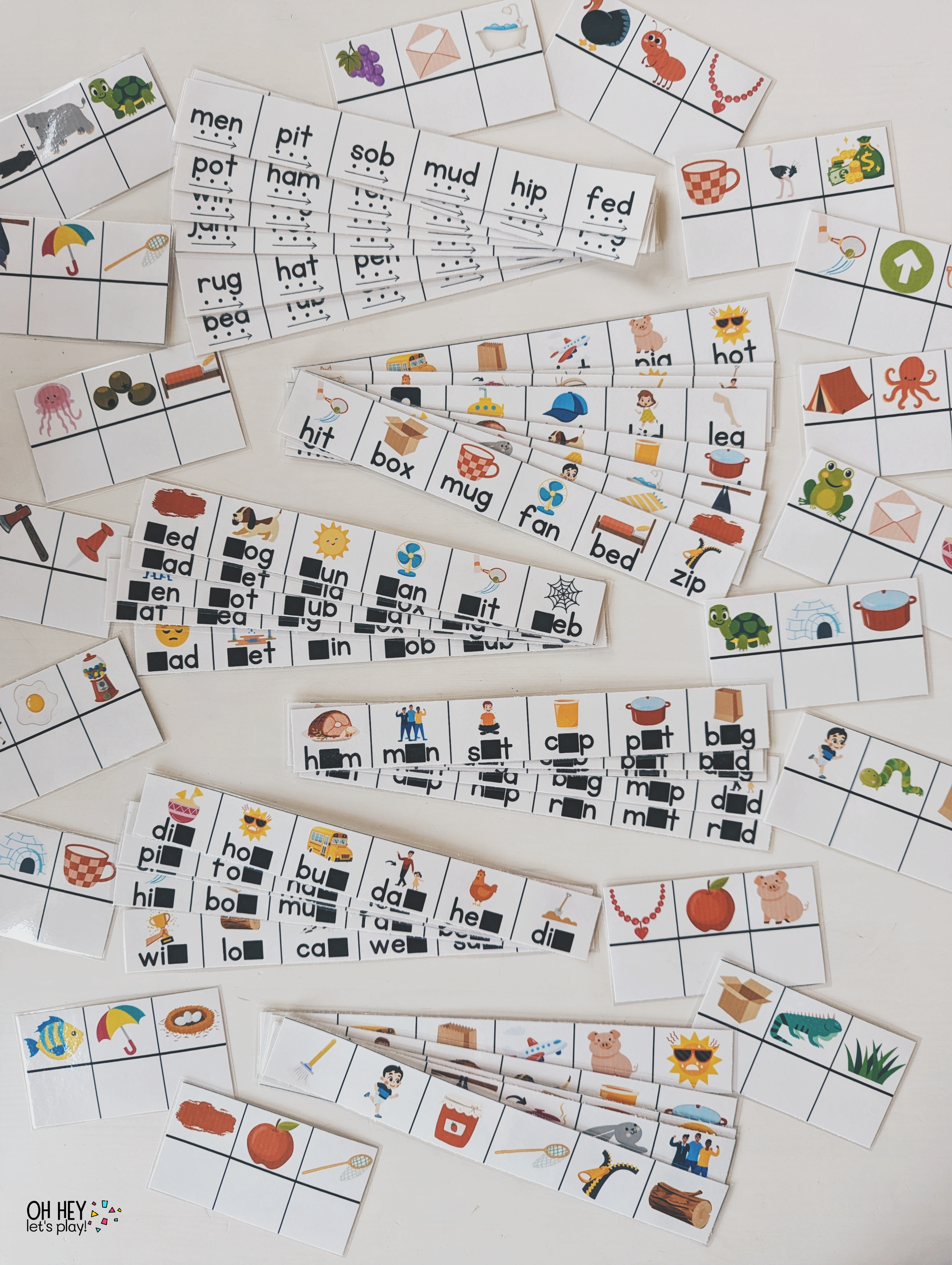
or my FREE Decodable Sight Word Fluency Pyramids!