

Fish in the Pond: Simple Counting Activity for Toddlers & Preschoolers

Disclaimer: This post includes affiliate links which means I would earn a small commission if you were to purchase through those links. All opinions are my own, and I only link to products that I truly recommend.
If you have toddlers or preschoolers at home, this is your gentle reminder:
When kids are little,
that is the time to be
COUNTING. EVERYTHING.
The early years are when little brains are soaking in patterns, language, rhythm, and repetition. Just like they memorize the words to Twinkle, Twinkle Little Star or can sing the ABCs before they fully understand them, they can also absorb counting simply by hearing it over and over again.
Before we ever expect them to “do math,” we want them to live math.
Counting while driving in the car.
Counting the steps as you walk upstairs.
Counting blocks as you stack them.
Counting apples at the grocery store.
You can count objects — yes — but you can also just count out loud for fun. It may seem monotonous to us, but repetition is powerful for young learners.
And if you really want them to love it?
Use food. 😉
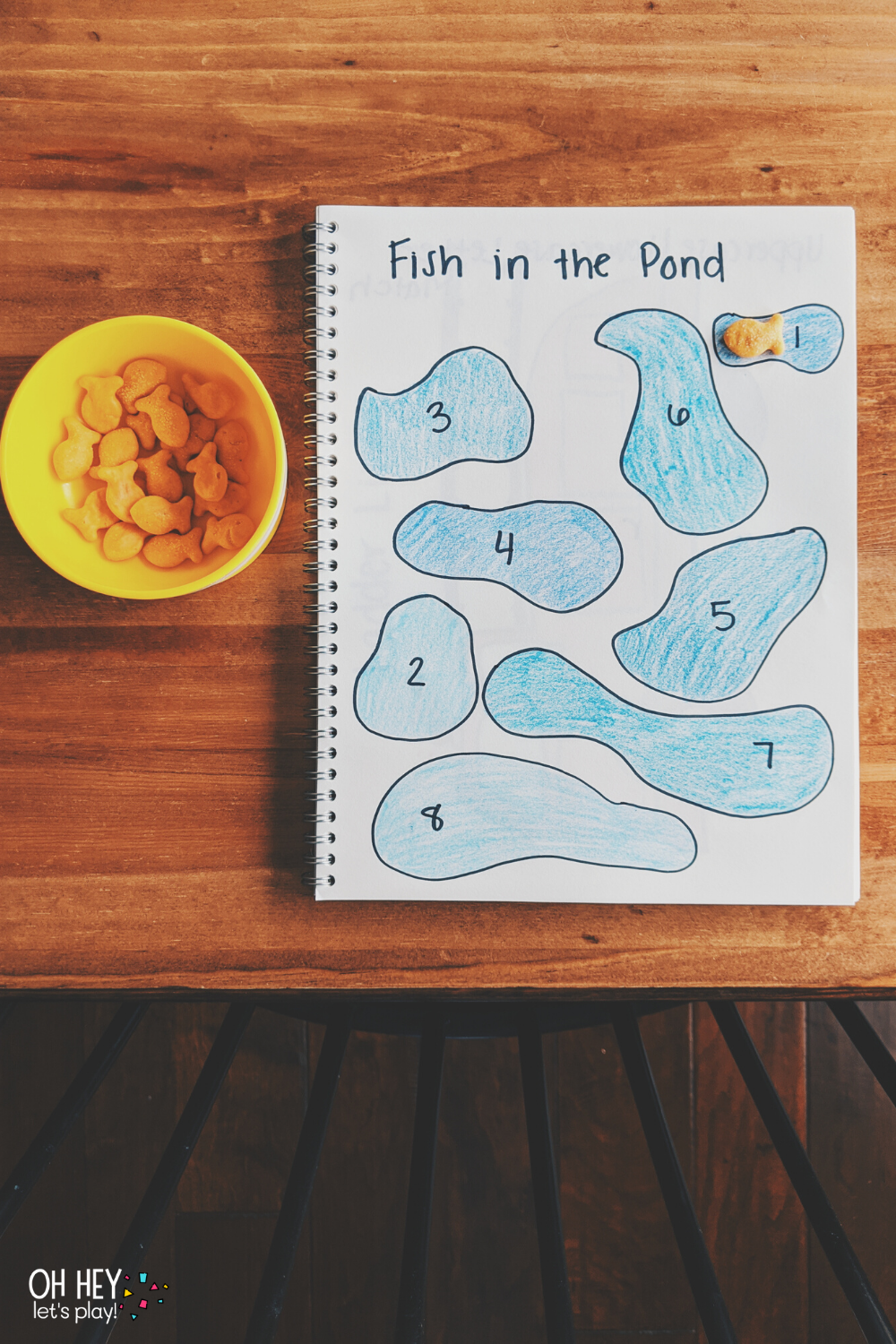
For this activity we used:
- blank drawing journal
- crayons
- goldfish crackers
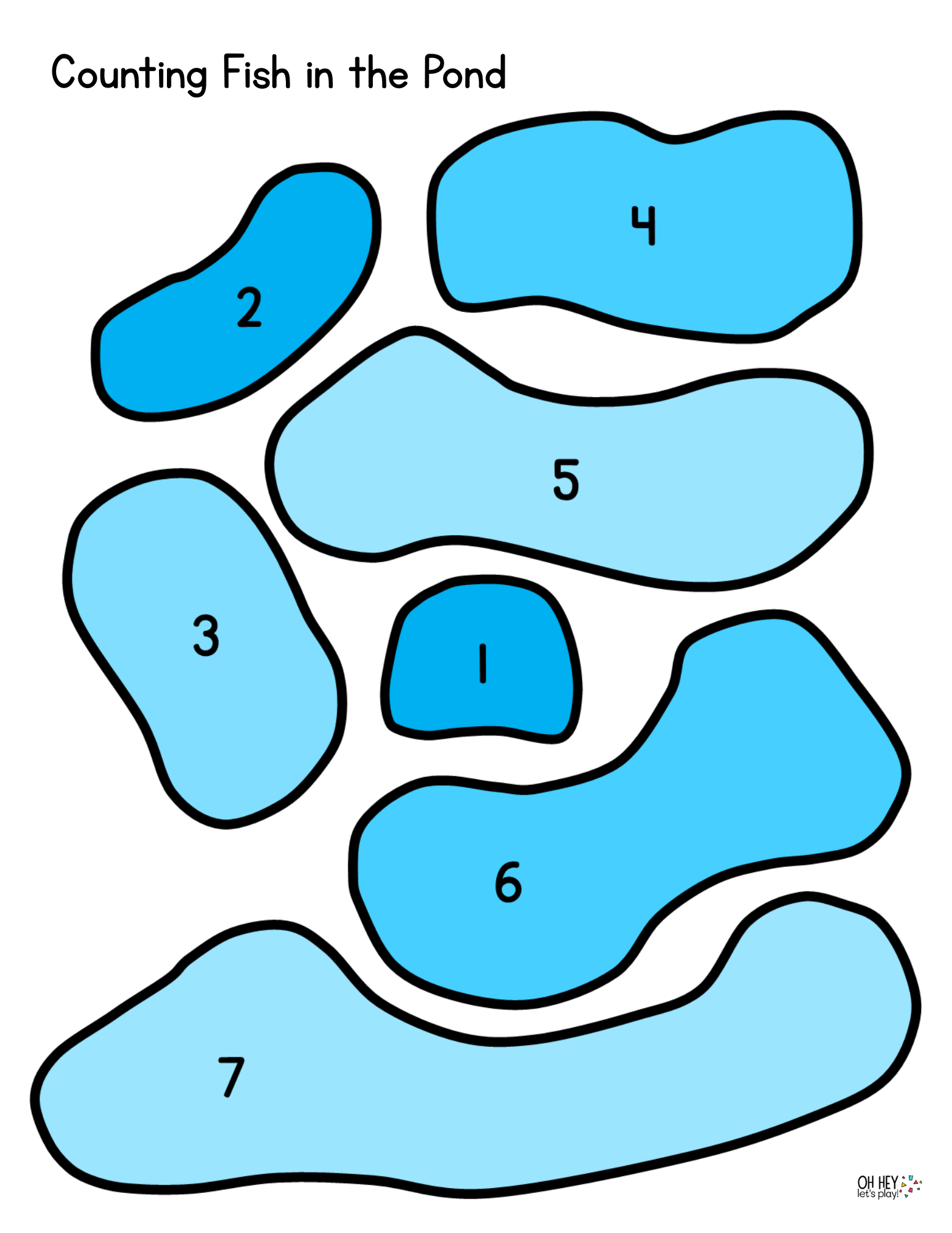
I drew simple pond shapes and wrote numbers inside each one. The goal? Add the correct number of “fish” (goldfish crackers) into each pond.
That’s it.
Simple. Playful. Effective.
You absolutely do not need goldfish crackers for this to work. The concept is what matters.
You could:
Use Cheerios or M&Ms as “bubbles”
Draw cookies and add chocolate chips
Add buttons to a shirt
Make snowmen and count coal pieces
Draw flowers and count petals
The learning happens in the counting — not in the perfection of the setup or the artistic abilities.
“But Won’t They Just Eat the Food?”
Yes.
And that’s okay. 🙂
For toddlers especially, sensory exploration is part of learning. You can:
Let them eat as they go
Make eating the snack the “reward” after counting correctly
Save the snack for the end
If you have little ones who love playing with food, we’ve always enjoyed using books like The Cheerios Play Book for playful food-based learning inspiration, too.
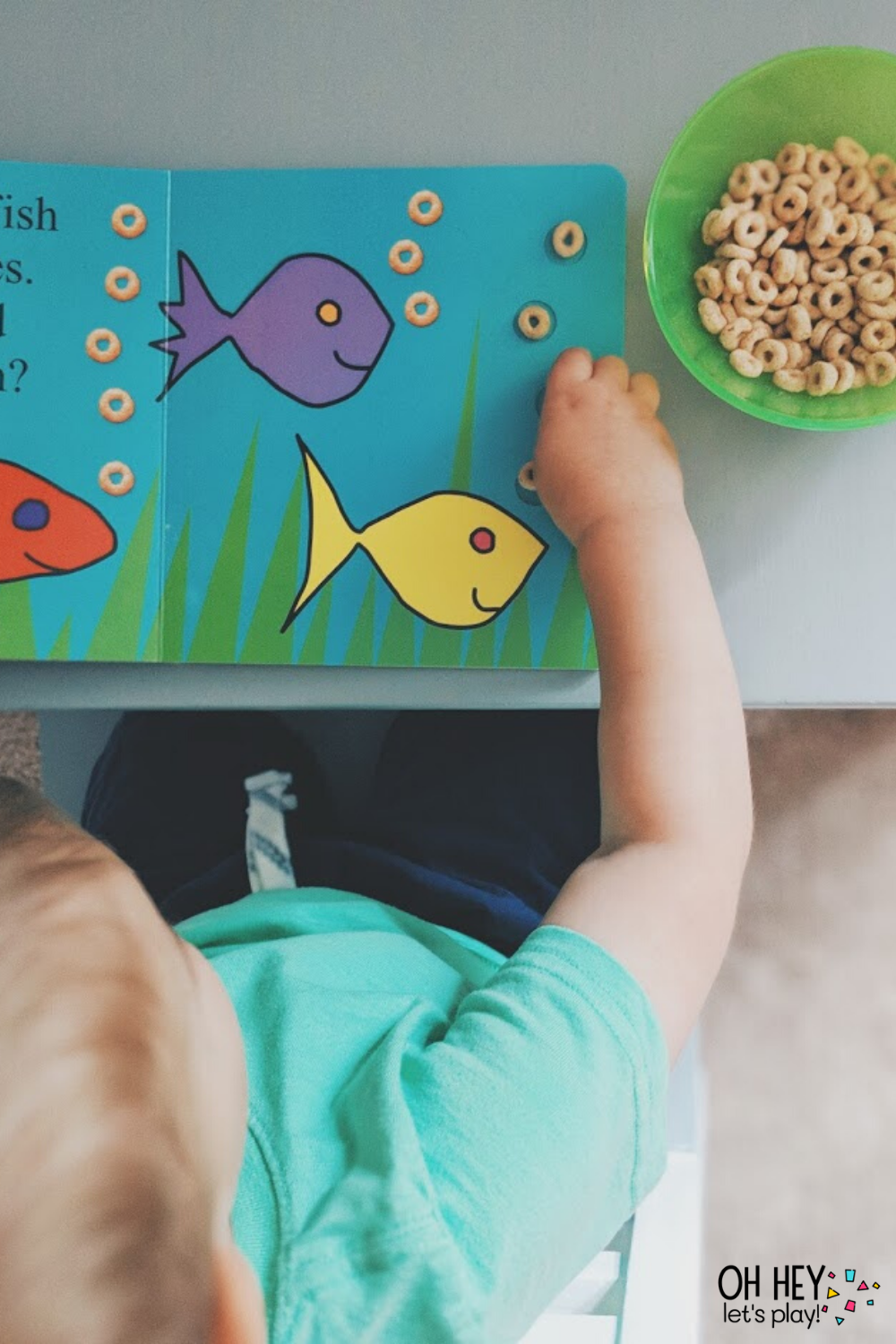
Why Counting Matters So Much in Early Childhood
Counting isn’t just memorizing numbers in order.
True early math development includes:
One-to-one correspondence (one object = one number)
Number recognition
Understanding quantity
Comparing more vs. less
Beginning number sense
When a child places five goldfish into a pond labeled “5,” they are practicing:
✔ Matching numeral to quantity
✔ Slowing down and counting carefully
✔ Using fine motor skills
✔ Developing visual discrimination
✔ Strengthening attention and focus
These simple, hands-on activities are building the foundation for all future math learning.
And the best part? It feels like play.
Using Counting Activities Inside a Learning Journal
This activity originally lived inside one of our learning journals — and learning journals are one of my favorite ways to organize simple, intentional learning at home.
A learning journal:
Provides structure and routine
Creates one-on-one connection time
Makes learning feel special and personalized
Becomes a keepsake over time
Allows skills to build gradually
If you’re new to the idea, you can read my full post on how to start a learning journal here.
Grab This Activity as a Free Printable
Because this activity has been such a favorite, I turned it into a printable page you can download and use immediately.
✨ Enter your email below and download your Fish in the Pond counting page right away!
This printable is actually a page pulled directly from my reusable Numbers & Shapes Activity Book — so if your child enjoys it, there’s so much more where that came from (more info on this below)!
Want More Help With Early Math Skills?
If you’re looking for more structured (but still playful) math support, my:
Oh Hey Let’s Play with Numbers and Shapes
is a spiral-bound, fully laminated activity book with 78 reusable pages and 27 hands-on learning activities for toddlers age 2 and up.
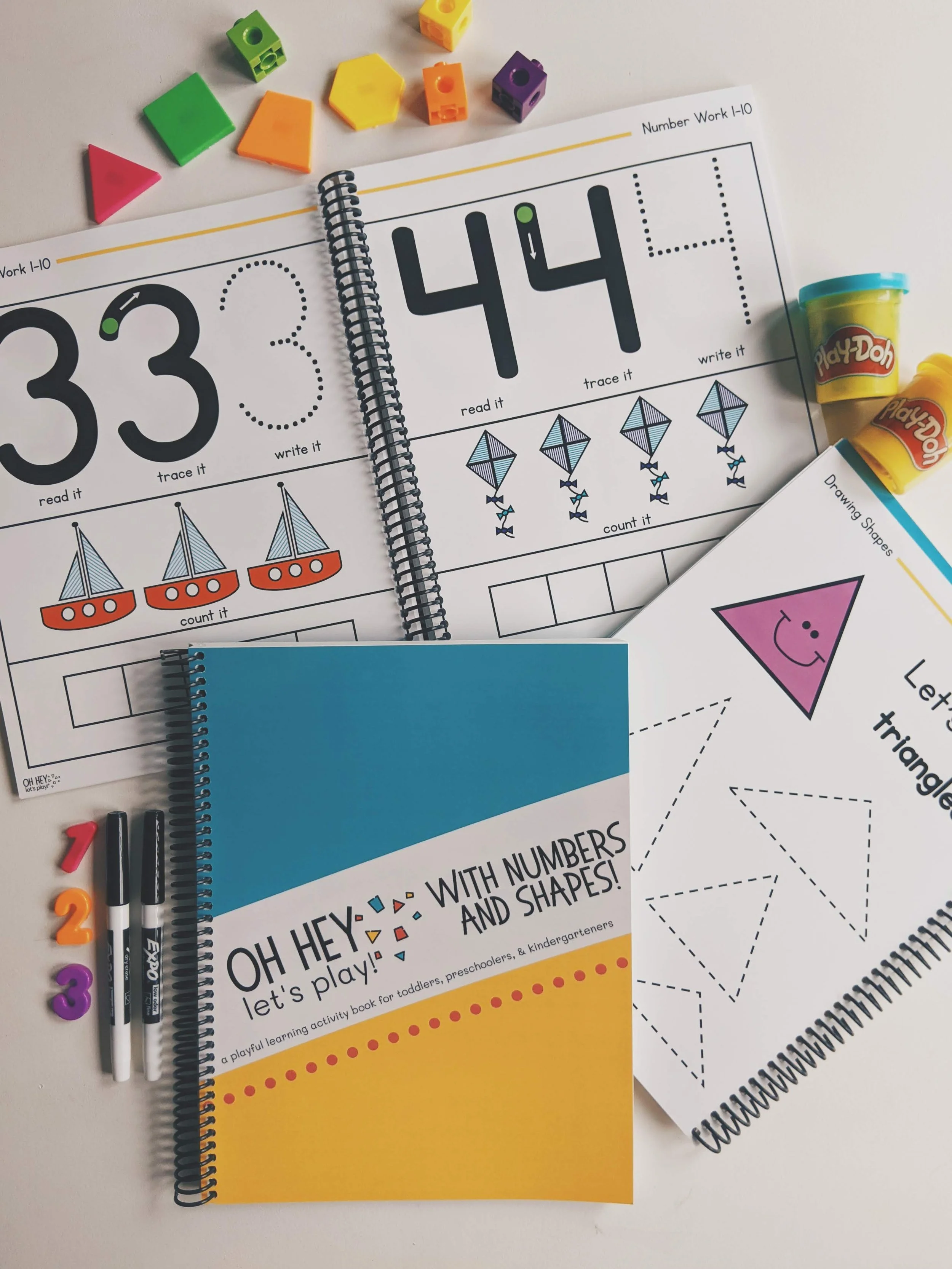
Inside, you’ll find activities that cover:
Identifying, drawing, and building 2-D shapes
Counting with ten frames
Writing numbers
Showing different number amounts
Identifying missing numbers
Graphing
Making patterns
Every page is laminated and wipe-clean, so you can:
Use dry erase markers
Add play dough
Incorporate manipulatives
Reuse it with younger siblings
The goal is to simplify prep for you while maximizing hands-on learning for your child.
No printing.
No ink.
No cutting and laminating at home.
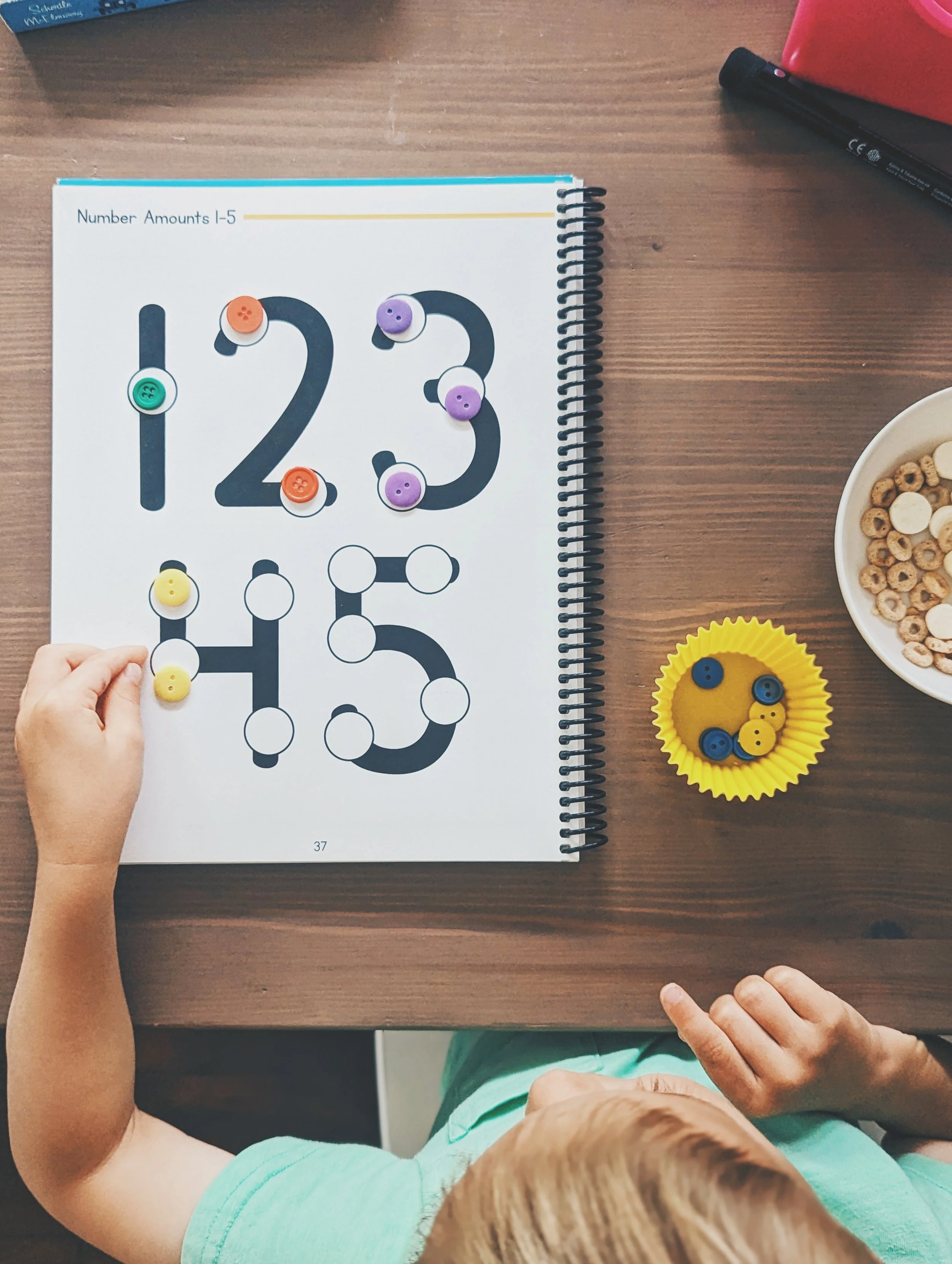
Just open the book and start playing. I offer free shipping within the US, but if you’re outside the US, or actually prefer to print activities out yourself, you can also purchase all of the same content as a digital download.
Simple Is Enough
You do not need elaborate setups to teach early math.
You need:
Repetition
Play
Hands-on experiences
And consistency
Counting goldfish crackers in a drawn pond may look simple — but it’s doing far more than you think.
And the best part?
Your child just thinks they’re playing.
What type of food will you practice counting with?
If you liked this activity, you might like these too:
Magnetic Shapes in Rainbow Rice
Free Printable Shape Mats
Name Activities for Toddlers